Understanding Blood Pressure Numbers Without Guesswork
5 min read • Published March 2, 2026
By the Blood Pressure Editorial Team · Sources listed below · Editorial policy
Key takeaways
- Blood pressure includes two values: systolic on top and diastolic below.
- Systolic reflects pressure when the heart contracts, and diastolic reflects pressure between beats.
- Both matter because risk is linked to long-term patterns, not only one number.
- Many people expect blood pressure to stay identical all day.
Detailed guide
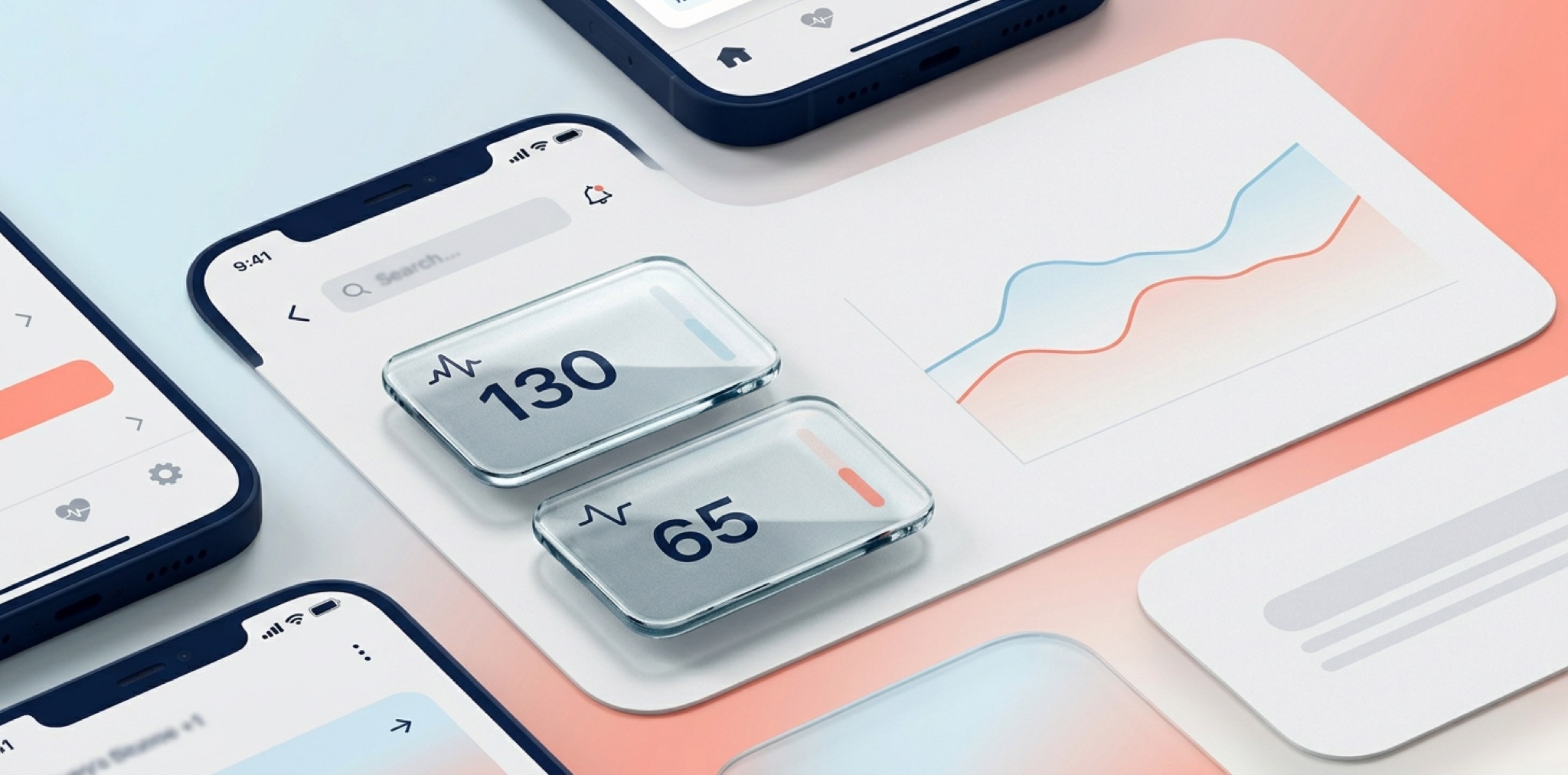
Blood pressure includes two values: systolic on top and diastolic below. Systolic reflects pressure when the heart contracts, and diastolic reflects pressure between beats. Both matter because risk is linked to long-term patterns, not only one number.
Many people expect blood pressure to stay identical all day. In practice, values can shift with stress, sleep quality, posture, hydration, physical activity, and timing. This is why trend tracking is more useful than isolated checks.
Use app history to compare similar conditions: morning with morning, evening with evening. This simple grouping helps you see real direction and avoid mixing unrelated contexts. A cleaner comparison gives you better insight for clinician conversations.
If you repeatedly see high ranges or abrupt changes that persist, do not ignore them. Bring your log history to your next visit and ask for protocol guidance on measurement frequency and follow-up. Structured data improves decision quality.
Why this matters
- Daily cardiovascular data becomes useful only when measurement conditions are consistent across days.
- Single readings can be noisy; week-level patterns are usually more useful for personal decisions and clinician conversations.
7-day routine to try
- 1.Pick two stable time windows and keep posture/cuff setup identical each day.
- 2.Log context tags for sleep, stress, caffeine, exercise, and illness when relevant.
- 3.Review trend direction at the end of the week, not after each single spike.
- 4.If elevated values persist, prepare your log summary and discuss it with a qualified clinician.
Common pitfalls to avoid
- Changing measurement setup every day and expecting clean trend comparisons.
- Repeating checks too many times in a stress loop instead of using a clear re-check rule.
- Treating app data as diagnosis rather than wellness context.
Trusted references
Sources used for the claims and safety boundaries on this page. A source list does not mean the article has been medically reviewed.
-
Home blood pressure monitoring
American Heart Association
-
High blood pressure overview
NHLBI
-
About high blood pressure
CDC