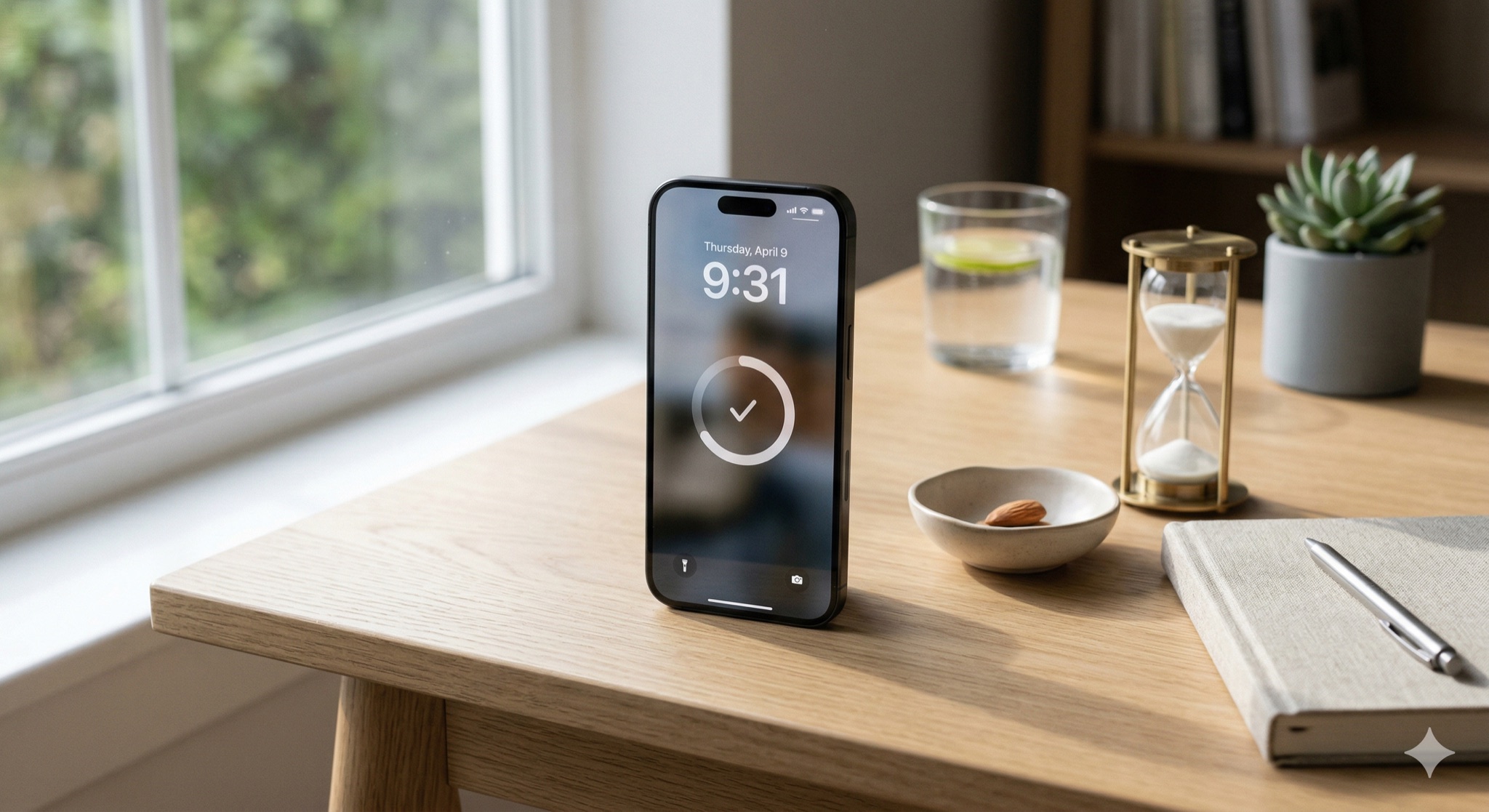
Reminder Design That Actually Builds a Daily Habit
5 min read • Published February 12, 2026
By the Blood Pressure Editorial Team · Sources listed below · Editorial policy
Key takeaways
- Reminders fail when they are too frequent or poorly timed.
- A better setup is one or two high-quality reminders aligned with your real schedule, not idealized intentions.
- Choose moments with low friction, such as after morning hygiene routine or before evening wind-down.
- Tie reminders to existing anchors to increase follow-through.
Detailed guide
Reminders fail when they are too frequent or poorly timed. A better setup is one or two high-quality reminders aligned with your real schedule, not idealized intentions.
Choose moments with low friction, such as after morning hygiene routine or before evening wind-down. Tie reminders to existing anchors to increase follow-through.
If you skip repeatedly, change timing before adding more alerts. Better placement usually beats higher volume.
Use completion streaks as motivation, but focus on returning quickly after missed days. Recovery speed is a stronger habit predictor than perfect streaks.
Why this matters
- A small number of repeatable views can make a daily log easier to review without implying a diagnosis.
- Product guidance should match the features and limitations shown in the current app and App Store listing.
7-day routine to try
- 1.Choose one consistent time to review your recent entries.
- 2.Keep blood-pressure readings separate from camera-based pulse estimates.
- 3.Use reminders only when they fit your actual schedule.
- 4.Bring persistent concerns to a qualified healthcare professional rather than interpreting the dashboard as a diagnosis.
Common pitfalls to avoid
- Treating a wellness dashboard as a medical record or diagnostic tool.
- Changing several habits at once and losing track of useful context.
- Assuming an app feature is available without checking the current version and region.
Trusted references
Sources used for the claims and safety boundaries on this page. A source list does not mean the article has been medically reviewed.
-
Blood Pressure Monitor: BP App listing
Apple App Store
-
Home blood pressure monitoring
American Heart Association